
pay-per-click (PPC) marketing is one of the most popular types of marketing.
A PPC campaign management can be an excellent way to increase traffic, leads, and ROI. In fact, businesses earn $8 on average for every dollar spent on Google Ads.
Although PPC appears to be a fantastic opportunity, creating profitable campaigns can take time, effort, and money. You could lose money if you don’t have a strong strategy or monitor your campaigns.
It takes a lot of effort because there are so many things to think about. From creating effective ad copy to deciding who you want to show your ads to, there are so many things to think about.
What is PPC management?
PPC management is the process by which a marketer monitors a company’s entire PPC ad strategy and budget. The payment will be done by the marketers only when someone clicks on their ads.
It is most commonly associated with paid search advertising, but it is also used on social media platforms.
PPC ads are typically limited to a single platform, but retargeting tools allow advertisers to display ads to consumers across platforms based on their activity, such as whether they have previously clicked on an ad.
Advertisements come in a variety of shapes, sizes, and formats. Text ads are the most common and are typically found at the top of a search engine results page (SERP). Display ads can include product images, videos, user ratings, and other similar elements.
PPC management agency or expert is typically responsible for the following tasks:
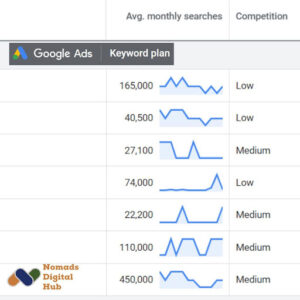
- Keyword research: is the process of discovering and identifying the keywords that your target audience is searching for.
Channels to target: Choosing which paid media channels to pursue. Google Ads, Bing Ads, display networks, and even social media advertising are examples of these.
PPC monitoring: entails assessing the effectiveness of each campaign and keyword to ensure that PPC efforts are producing a positive ROI.
Analysis of the competition: including what they’re doing, which keywords they’re targeting, and the ad creative they’re using (to uncover gaps they can fill in on their own).
Campaign optimization: entails keeping track of campaign structure and optimising based on top performing keywords. For example, if 10% of keywords generate the majority of business, you may want to concentrate your budget on those keywords to increase ROI.
Split testing: A/B testing of new ads and landing pages on a continuous basis. Experiment on a regular basis across the entire PPC funnel.
Now that you understand what PPC management is, let’s take a look at how to do it effectively using PPC professional tools.

PPC management tools.
Professional and qualified marketers require the appropriate tools to market and sell their products efficiently.
- Google Ads Editor.
You’ll need Google Ads Editor if you work on large campaigns or campaigns across several accounts in Google Ads (previously known as Google AdWords).
It comes with nearly everything you’ll need for mass modifications and optimizations. The desktop version is probably three to five times faster than the Google Ads interface you’re used to online, despite the fact that it looks comparable. Essential!
- Bing Ads Editor.
Bing Ads Editor is a must-have if you’re utilising Bing Ads (which you should be). It’s a good all-around tool for running Bing Ads campaigns.
- WordStream Advisor
WordStream makes Google Ads understandable and reduces the irritation and cost associated with them. It also provides valuable insight into key performance indicators and makes it simple to alter and improve campaigns.
- Google Ads Performance Grader.
Google Grader is a tool that allows you to evaluate the effectiveness of your
Google Ads Performance. This one is completely free! With the Google Ads Performance Grader, you can get a full audit of your Google Ads account in 60 seconds or less.
- AdEspresso.
For Facebook advertisers, AdEspresso is a fantastic tool for creating, optimising, and analysing campaigns. A 14-day trial is available for free, and monthly subscription starts at $49.
Keyword and competitor research tools for PPC campaigns.
- SEMrush.
Do you want to learn more about your competitors? One of the greatest tools for finding thorough keyword and domain data is SEMrush. If you join up for their annual plan, it costs $58 each month.
- Spyfu
SpyFu includes a lot of great capabilities that other programmes don’t have, such as the option to download all of your competitors’ keywords. It also includes a user-friendly design with plenty of critical information at a look. Annual plans begin at $49 per year.
- iSpionage.
ISpionage is a simple tool for gathering competitive intelligence. It offers reliable, up-to-date competition intelligence and is a useful tool for assessing competitors’ websites and online marketing initiatives. Monthly plans begin at $59 per month.
- Google Keyword Planner.
It’s a tool specialized in finding keywords to allow you to find the right keyword.
If you haven’t already, I’d be surprised if you haven’t used Google’s Keyword Planner. For keyword research, it’s a must-have PPC tool. We also use it for keyword research for SEO.
- Google Trends.
When it comes to adapting advertising to reflect seasonal demand, search trend data can be really useful. Google Trends is a valuable free data source that all savvy PPC marketers should use.
PPC Analysis Tools.
- Google Analytics.
Google Analytics has (nearly) everything you need to track the success of your PPC campaigns and the performance of your website. It’s free, but major businesses can upgrade to the Premium version.
- Twitter Analytics.
Twitter Analytics offers a wealth of information. You may learn how many people are actually seeing and engaging with your tweets, whether your Twitter campaigns are working, and a lot more about your followers’ demographics.
PPC Guide For More Professional Tools!
Putting Together Your PPC Toolkit!
Before you subscribe to one or more of these tools, consider your company’s budget and the number of accounts you’ll be managing.
If you work as a marketer for an agency or a large corporation, you may prefer enterprise software that includes all of the necessary management tools in one package. If you work for a startup or as a freelancer, you may want to stick to the more affordable resources on this list.
Check out our Ultimate Guide to PPC for statistics, figures, strategy ideas, and best practises, regardless of the tools or software you employ.